
Top Picks in Oral Health
Products covered in our current review library. Display order is editorial, not a ranking of effectiveness.
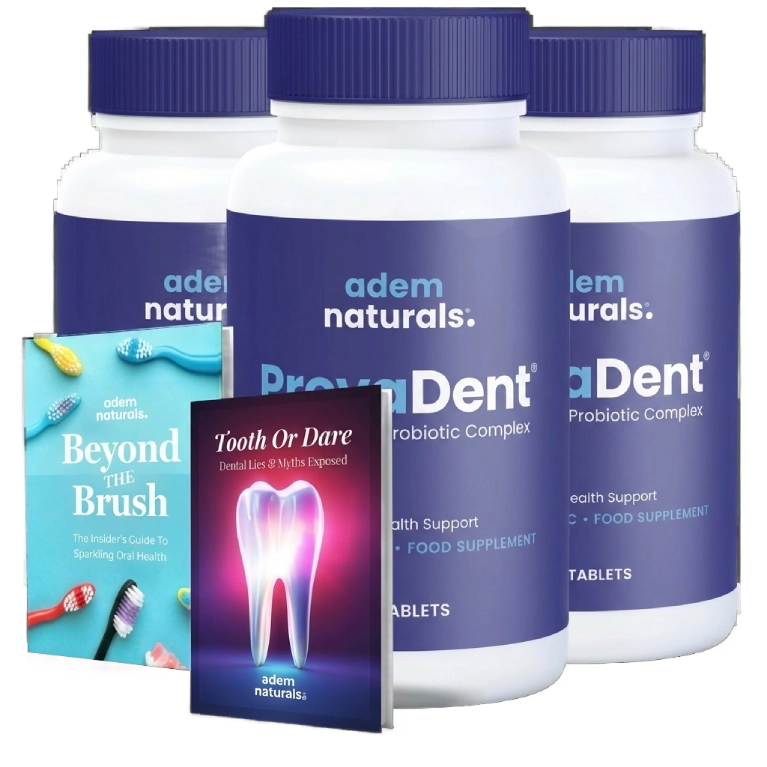
ProvaDent
A probiotic-focused oral health supplement. Our review examines the formula, label transparency, research limitations, and package pricing.
Check ProvaDent Price →Read Full Review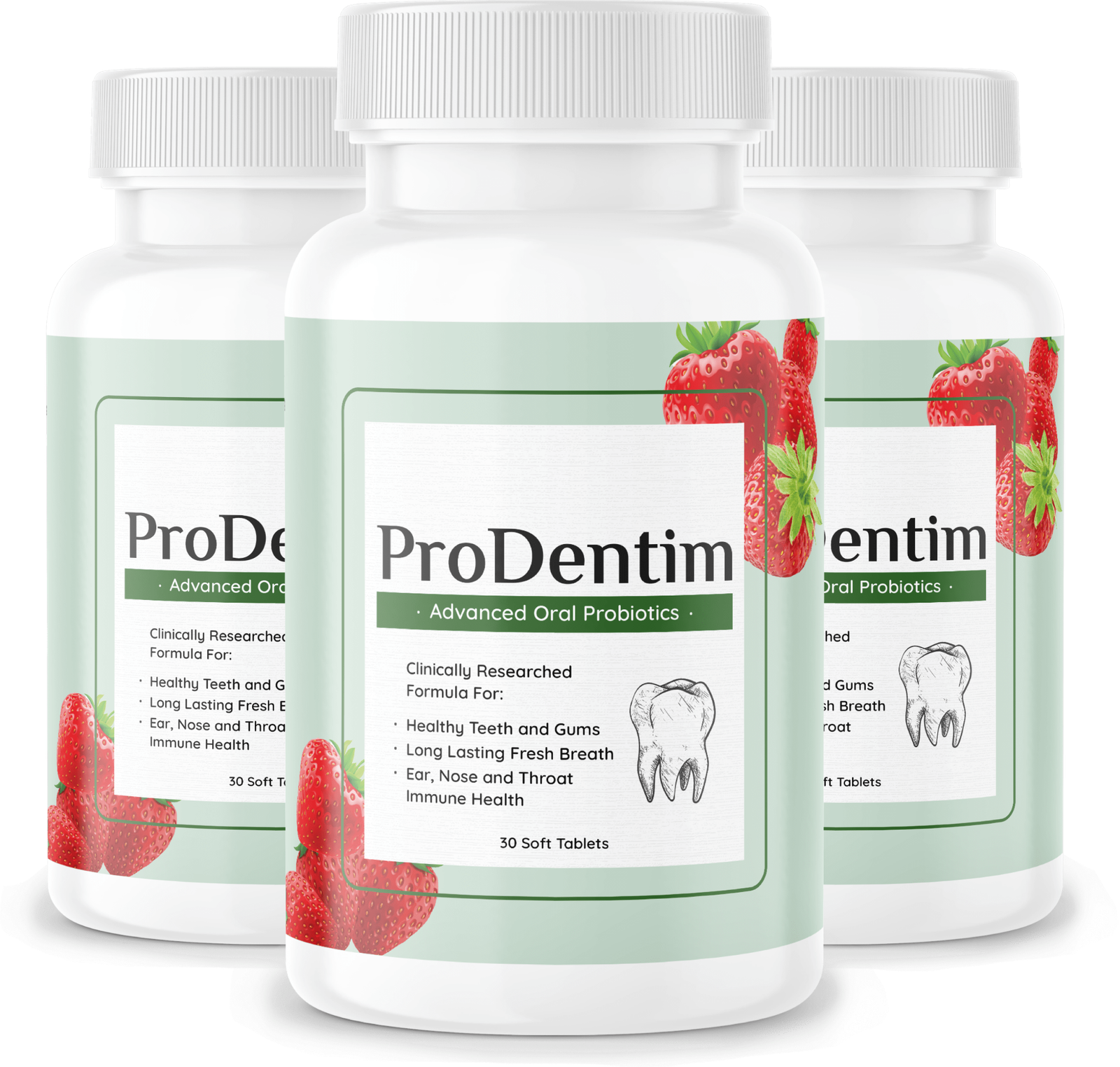
ProDentim
An oral probiotic blend reviewed for its labeled strains, available clinical evidence, ingredient disclosure, and purchasing terms.
Check ProDentim Price →Read Full ReviewWhat Matters for Oral Health?
Good oral health depends on consistent plaque control, fluoride exposure, nutrition, and timely dental care. Tooth decay and gum disease are not problems a supplement can reliably fix on its own. Some products target the oral microbiome, while others market minerals, botanical extracts, or nutrients for gums and teeth.
The useful question is not simply whether a product contains “good bacteria.” It is whether its specific strains, doses, and delivery method have been studied for the oral outcome you care about. Results involving bad breath, plaque, gum inflammation, or cavities are not interchangeable.
How Oral Health Supplements Are Intended to Work
The mouth contains a diverse community of microorganisms. Certain strains of bacteria have been studied for their ability to compete with organisms associated with particular oral conditions. That does not mean every probiotic supplement can rebalance the oral microbiome, and it does not establish that a finished commercial formula prevents cavities or treats gum disease.
Some supplements instead focus on nutrients or plant compounds. For example, vitamins may help when an individual has a deficiency, but extra supplementation is not automatically beneficial for someone who already has adequate intake. Extracts with laboratory antibacterial activity may not produce meaningful clinical results at the dose or delivery route used in a supplement.
Common Ingredients and What the Evidence Means
Ingredient names alone can be misleading. For probiotics, a species is not a substitute for a strain identifier, and a total CFU count does not establish that a specific oral benefit will occur.
| Ingredient group | Why it appears | What to check |
|---|---|---|
| Oral probiotic strains | Studied for outcomes such as breath, plaque, or gingival measures in some small clinical trials. | Full strain ID, CFU through expiry, delivery method, and outcome-specific human studies. |
| Prebiotic fibers | Marketed as support for beneficial microbes. | Whether evidence applies to the oral environment rather than only gut health. |
| Vitamin D and minerals | Relevant to normal tissue and mineral metabolism, especially when intake is inadequate. | Actual dose, deficiency status, and whether claims go beyond nutritional support. |
| Botanical extracts | Often marketed for antioxidant or antimicrobial properties. | Human oral-health trials, extract standardization, and potential interactions. |
| Sugar substitutes such as xylitol | Used in some oral-care products; evidence depends on formulation and use. | Product type, exposure frequency, and realistic benefit versus proven dental hygiene. |
Be wary of products that use generic species names, hide all quantities in a proprietary blend, or imply that a single capsule can replace brushing and dental visits.
What Research Can—and Cannot—Tell Us
There is ongoing research into probiotics for specific oral-health outcomes. However, trial results can differ substantially because of strain choice, baseline dental health, follow-up duration, and how outcomes were measured. A short-term reduction in one plaque-related marker is not proof of long-term prevention of cavities or periodontal disease.
When evaluating a study, look for a human randomized trial, a clearly defined outcome, a comparison group, and sufficient follow-up. We also check whether researchers tested the finished branded product or only an ingredient used in other formulations.
Major oral-health organizations continue to emphasize daily fluoride toothpaste, interdental cleaning as appropriate, and professional care. Supplements belong, at most, in a supporting role.
Safety, Limitations, and When to See a Dentist
“Natural” does not mean risk-free. Supplements may cause digestive discomfort, allergic reactions, or interactions with medicines. People who are immunocompromised or seriously ill should ask their clinician before taking live-microbe products. Ingredient labels also deserve attention for sweeteners, excipients, and allergens.
Persistent gum bleeding, tooth pain, swelling, loose teeth, or ongoing bad breath should be evaluated rather than managed solely with a supplement. Delaying appropriate care can allow a treatable dental problem to worsen.
How to Choose an Oral Health Supplement
- Identify the goal. Breath concerns, gum symptoms, and general oral wellness require different evidence.
- Read the complete label. Look for strain identifiers, amounts, serving size, and allergen information.
- Check the quality of evidence. Prioritize controlled human studies on the specific outcome, not just lab findings.
- Evaluate the total cost. Compare price per serving, shipping, refund conditions, and recurring charges.
- Keep expectations realistic. Continue routine dental care and seek evaluation for persistent symptoms.
Reviews, Guides, and Comparisons
Frequently Asked Questions
Can oral probiotics replace brushing or flossing?
No. They have not been established as substitutes for fluoride toothpaste, appropriate interdental cleaning, or professional dental care.
Are all oral probiotic strains equally effective?
No. Research is strain-specific and outcome-specific. A result for one strain cannot automatically be applied to a different strain or combination.
Will an oral supplement reverse gum disease?
No supplement should be assumed to reverse periodontal disease. Gum symptoms deserve evaluation by a dental professional.
How long should I take a product before judging it?
There is no universal timeframe. It depends on the product and the outcome studied. Check the clinical research rather than relying on a marketing promise.
What should I compare between ProDentim and ProvaDent?
Start with ingredient and dose transparency, clinical evidence for the exact formula, safety, total delivered price, and refund terms. Our comparison page covers these factors.
Further Evidence and Editorial Notes
Starting points: National Institute of Dental and Craniofacial Research — Oral Health Topics; NIH Office of Dietary Supplements — Probiotics; American Dental Association — Oral Health Topics. These sources provide general context; they do not validate any branded formula. Product-specific references appear within each review.